Integrate Wearable Devices with Calorie Tracking Apps: Complete Guide for 2025
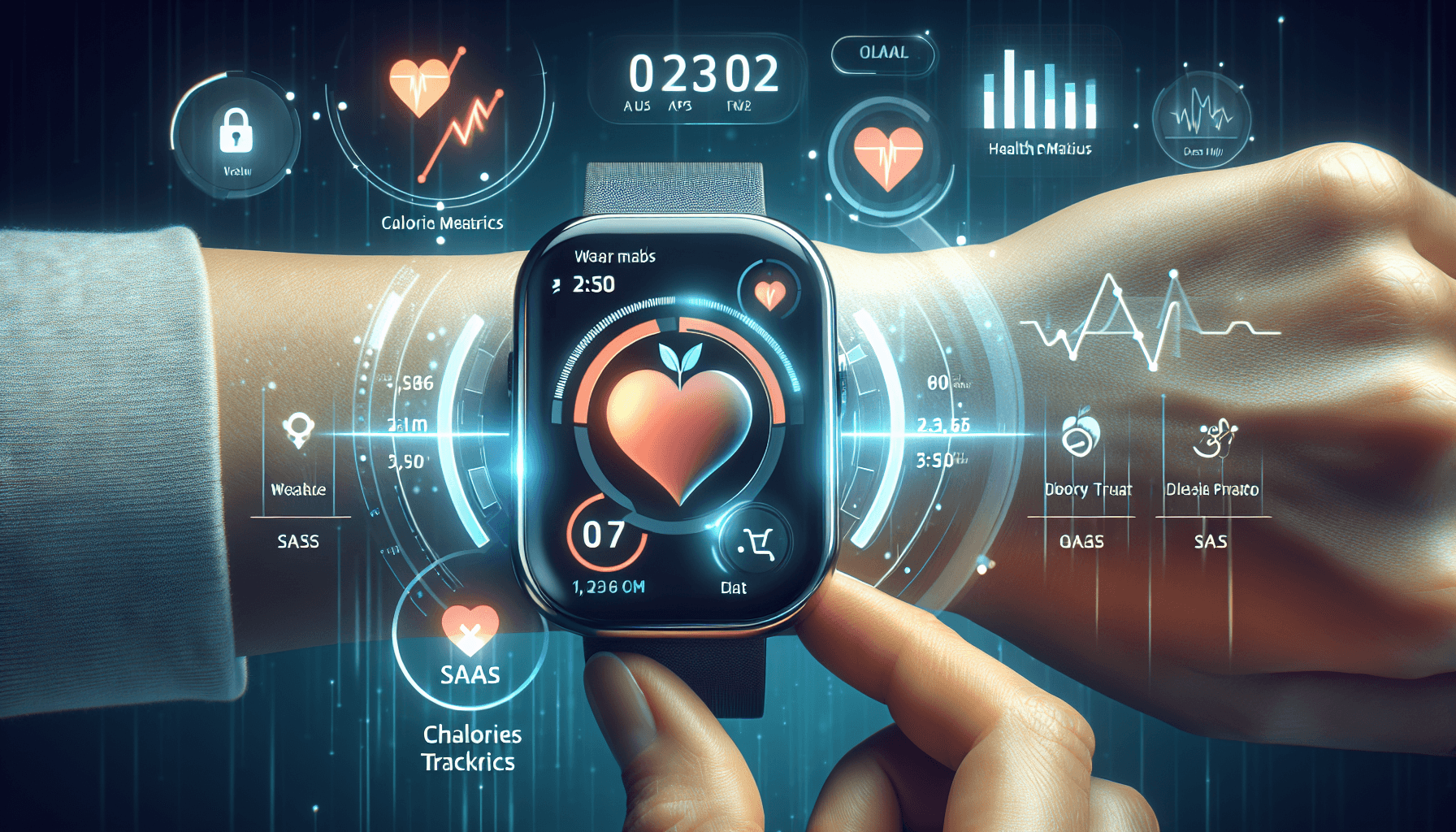
Integrate Wearable Devices with Calorie Tracking Apps: Complete Guide for 2025
As we step into 2025, the integration of wearable devices with calorie tracking apps has revolutionized how we manage health and wellness. This seamless connection empowers users to monitor their dietary habits with unprecedented precision. In this comprehensive guide, we will explore how to effectively integrate wearable devices with calorie tracking apps, offering insights into best practices and answering common questions. Whether you're a seasoned health enthusiast or a beginner looking to optimize your diet, you'll find valuable strategies and tips here to maximize your health journey.
Understanding Integrate Wearable Devices with Calorie Tracking Apps
The phrase integrate wearable devices with calorie tracking apps refers to the process of connecting gadgets like smartwatches and fitness bands with applications designed to track your calorie intake and nutritional data. This integration allows for automatic and accurate input of data such as calories burned, steps taken, and even sleep patterns, providing a holistic view of your health.
Wearable devices have become increasingly sophisticated, offering features that go beyond simple step counting. When these features are combined with the detailed logging capabilities of calorie tracking apps, users gain a comprehensive toolset for health management. This integration not only streamlines data collection but also enhances motivation by offering real-time feedback and actionable insights.
Benefits of Integration
- Automatic Data Syncing: No more manual entry of exercise data; your device handles it for you.
- Comprehensive Health Overview: Get a complete picture of your calorie balance, activity levels, and overall health.
- Personalized Feedback: Receive tailored recommendations based on your data trends.
Best Practices for Integrating Wearable Devices with Calorie Tracking Apps
Integrating wearable devices with calorie tracking apps can be straightforward, but following best practices ensures you get the most out of the technology. Here's how to effectively manage this integration:
Choose Compatible Devices and Apps
When looking to integrate wearable devices with calorie tracking apps, compatibility is key. Ensure that your wearable device can sync seamlessly with your chosen app. Many apps like MyFitnessPal, CalorieScan, and Fitbit offer integration capabilities with various devices.
Set Clear Goals
Before integrating, set clear health and dietary goals. Whether you aim to lose weight, maintain your current weight, or build muscle, having specific targets will help you utilize the data effectively.
Regularly Update Your Apps and Devices
Keep your apps and devices updated to benefit from the latest features and security enhancements. Updates often include improvements in data accuracy and new functionalities that can aid your health journey.
Leverage Data for Actionable Insights
Use the data collected to make informed decisions about your diet and exercise. For example, if your device shows you're burning fewer calories than anticipated, you can adjust your activity levels or dietary intake.
Monitor and Adjust
Regularly review your progress and adjust your plan as needed. The integration between wearable devices and calorie tracking apps allows for real-time monitoring, so use this to keep your health strategy dynamic and responsive.
FAQ Section
What is Integrate Wearable Devices with Calorie Tracking Apps?
Integrating wearable devices with calorie tracking apps involves connecting fitness wearables to apps that track dietary and nutritional information. This enables automatic data synchronization, providing a holistic view of both caloric intake and expenditure.
How Does Integrate Wearable Devices with Calorie Tracking Apps Work?
This integration works by allowing the wearable device to send data, such as steps taken or calories burned, directly to the calorie tracking app. The app then combines this information with your dietary log to provide comprehensive health insights.
Who Can Benefit from Integrate Wearable Devices with Calorie Tracking Apps?
Anyone looking to improve their health can benefit from this integration. It is especially useful for individuals focused on weight management, athletes seeking performance optimization, or anyone interested in leading a healthier lifestyle.
Conclusion
By 2025, integrating wearable devices with calorie tracking apps is not just a trend—it's a fundamental aspect of modern health management. With the right tools and strategies, you can harness the power of technology to achieve your health goals efficiently and effectively. Remember, while technology provides invaluable assistance, it is crucial to consult healthcare professionals for personalized medical advice and to ensure your health strategies align with your individual needs.
Related Topics
- [The Role of AI in Nutrition Tracking]
- [Top Features of CalorieScan for Enhanced Health Management]
- [How to Set Realistic Health Goals with Technology]
Disclaimer: This article is for informational purposes only and should not be considered medical advice. Always consult a healthcare professional for personalized health guidance.
Meta Description
Discover how to integrate wearable devices with calorie tracking apps in 2025. Learn best practices and maximize your health journey with this comprehensive guide.

CalorieScan - Track your calories with just a APP
Say goodbye to manual logging. Simply snap a photo of your meal—our advanced visual recognition AI instantly analyzes it to provide accurate calorie and nutrition insights.